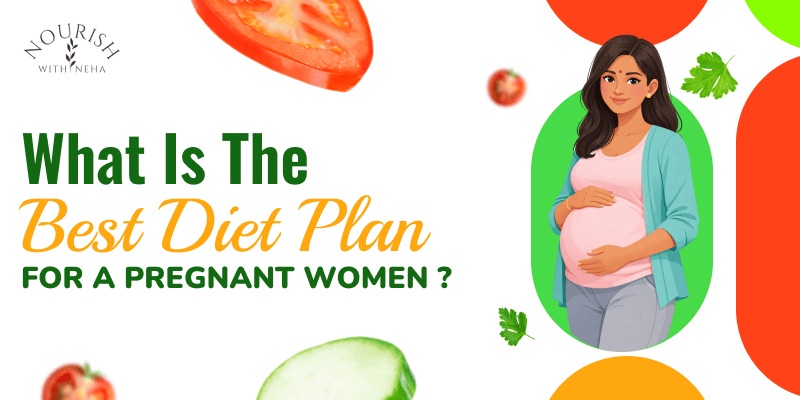
What is the Best Diet Plan for a Pregnant Woman?
Pregnancy is a life-changing journey, and nutrition plays a pivotal role in ensuring both mother and baby thrive. Eating the right foods in the right quantities supports fetal growth, strengthens immunity, and prevents common complications like anemia, gestational diabetes, and fatigue. A balanced pregnancy diet includes protein, healthy fats, fiber, vitamins, and minerals. At Nourish With Neha, we create trimester-specific diet plans tailored to your lifestyle, medical conditions, and taste preferences, ensuring practical and effective nutrition guidance for a healthy pregnancy.
Why Nutrition Matters During Pregnancy
Nutrition during pregnancy is about more than just eating more—it’s about eating the right balance of nutrients. Protein aids in fetal tissue growth, calcium and vitamin D strengthen bones, and iron prevents anemia. Folic acid reduces the risk of neural tube defects, while omega-3 fatty acids support brain and eye development. Proper nutrition also helps maintain a healthy weight, reduces morning sickness, improves energy levels, and supports overall maternal well-being. Prioritizing prenatal nutrition is essential for a smooth pregnancy and a healthy baby.
Healthy Diet Plan for Pregnant Women (Trimester-wise)
First Trimester (Weeks 1–12)
The first trimester is critical for fetal development. Focus on:
- Folate-rich foods: Spinach, lentils, chickpeas, fortified cereals
- Protein: Eggs, yogurt, tofu, beans
- Whole grains: Brown rice, oats, whole-wheat bread
- Hydration: 8–10 glasses of water daily
- Practical tips: Eat small, frequent meals to reduce nausea; avoid strong-smelling or greasy foods.
Sample breakfast: Oatmeal with berries and nuts
Mid-morning snack: apple slices with almond butter
Second Trimester (Weeks 13–27)
Energy requirements increase during the second trimester. Focus on:
- Lean protein: Chicken, fish (low-mercury), legumes
- Fiber-rich foods: Vegetables, fruits, and whole grains for digestion
- Calcium & vitamin D: milk, yogurt, and fortified alternatives
- Healthy fats: Avocado, nuts, seeds
- Practical tips: Avoid excess sugar, caffeine, and alcohol; include colorful vegetables for antioxidants.
Sample lunch: Brown rice, lentil curry, steamed vegetables, and a small bowl of yogurt
Evening snack: Roasted chickpeas or smoothie
Third Trimester (Weeks 28–40)
Focus on preparing for delivery and supporting baby growth. Include:
- Iron-rich foods: Spinach, red meat, beans
- Calcium & protein: Dairy products, eggs, tofu
- Omega-3 fatty acids: Flaxseed, chia seeds, low-mercury fish
- Practical tips: Eat smaller meals to reduce heartburn; stay hydrated; manage salt intake to prevent swelling.
Sample dinner: Whole-grain roti, sautéed vegetables, lentils, and a glass of milk
Essential Nutrients for Pregnant Women
Protein
Supports fetal tissue growth and maternal energy. Sources: eggs, chicken, lentils, tofu, and dairy.
Calcium
Strengthens bones and teeth. Sources: milk, yogurt, cheese, and green leafy vegetables.
Iron
Prevents anemia and fatigue. Sources: spinach, beans, lean meat, and fortified cereals.
Folic Acid
Prevents neural tube defects. Sources: lentils, citrus fruits, fortified cereals.
Omega-3 Fatty Acids
Supports brain and eye development. Sources: flaxseed, chia seeds, walnuts, and low-mercury fish.
Vitamins & Minerals
Vitamins C and D and zinc strengthen immunity and support overall health. Include fresh fruits, nuts, seeds, and sunlight exposure for vitamin D.
Tip: Pair iron-rich foods with vitamin C-rich foods (like citrus) to improve absorption.
Foods to Avoid During Pregnancy
Certain foods can harm maternal health and fetal development:
- High-mercury fish: shark, swordfish, king mackerel
- Raw or undercooked meat, eggs, and seafood
- Unpasteurized dairy or juices
- Excess caffeine and sugary drinks
- Processed, fried, and high-sodium foods
Alternative tips: Swap fried snacks with roasted nuts, replace sugary drinks with smoothies or infused water, and choose pasteurized dairy products.
Sample Pregnancy Diet Chart (Daily)
- Breakfast: Oatmeal with fruits, nuts, and milk/yogurt
- Mid-morning snack: Fresh fruit or smoothie
- Lunch: Brown rice/quinoa, lean protein (chicken, tofu, or beans), vegetables
- Evening snack: Roasted seeds, vegetable soup, or yogurt
- Dinner: Whole-grain roti, lentils, sautéed vegetables
- Hydration: 8–10 glasses of water, herbal teas
Tip: Adjust portion sizes according to trimester and appetite; listen to your body’s signals for hunger and fullness.
Benefits of Following a Balanced Pregnancy Diet
- Ensures healthy fetal growth and brain development
- Reduces pregnancy-related complications like gestational diabetes
- Boosts maternal immunity and energy levels
- Promotes healthy weight gain
- Improves mood, sleep quality, and overall well-being
Following a structured pregnancy diet helps mothers experience less nausea, better digestion, and a healthier, more comfortable pregnancy journey.
Practical Lifestyle Tips for Pregnant Women
- Eat small, frequent meals to reduce nausea and bloating.
- Stay hydrated with water, coconut water, or herbal teas.
- Light exercises like walking or prenatal yoga aid digestion and energy.
- Track nutrient intake using apps or food journals
- Manage cravings by choosing healthy swaps like fruits instead of sweets.
- Include family support in meal preparation for consistency
How Nourish With Neha Can Help
At Nourish With Neha, we provide personalized pregnancy diet plans based on your trimester, lifestyle, and health needs. Our experts design custom meal plans, offer nutrient tracking, and provide practical guidance for vegetarian, non-vegetarian, and mixed diets. Our aim is to ensure both mother and baby thrive with safe, practical, and science-backed nutrition solutions.
Book Your Consultation Today!
Take charge of your pregnancy with expert guidance from Nourish With Neha. Get a customized diet plan tailored to your trimester, health, and lifestyle. Ensure balanced nutrition, healthy weight gain, and optimal fetal development. Contact us today at +91-9168812709 and start your journey to a safer, healthier pregnancy.
FAQs About The Diet Plan for Pregnant Women
- What foods should I eat during pregnancy?
Include lean proteins, whole grains, vegetables, fruits, dairy, and healthy fats. Focus on iron, folic acid, calcium, and omega-3 for fetal growth and maternal health. - Can I follow a vegetarian diet while pregnant?
Yes, with careful planning. Use lentils, beans, tofu, nuts, seeds, and dairy to meet protein and nutrient requirements. Consider supplements for vitamin B12 and iron. - How much weight should I gain during pregnancy?
Weight gain depends on pre-pregnancy BMI. Normal BMI women typically gain 11–16 kg. Personalized guidance ensures healthy gain for mother and baby. - Is it safe to eat fish during pregnancy?
Low-mercury fish like salmon, sardines, and trout are safe. Avoid shark, king mackerel, and swordfish due to high mercury content. - What snacks are safe during pregnancy?
Fruits, nuts, yogurt, smoothies, roasted seeds, and vegetable sticks are ideal. Avoid fried and processed snacks to maintain nutrition and energy. - How can I prevent anemia during pregnancy?
Consume iron-rich foods like spinach, beans, lentils, and lean meat. Pair with vitamin C sources to enhance absorption. Consult your doctor for supplements if needed. - Why is folic acid important for pregnancy?
Folic acid prevents neural tube defects and supports brain and spinal development. Include leafy greens, lentils, and fortified cereals in your diet. - Can I eat sweets during pregnancy?
Occasionally, yes. Limit sugar intake and opt for fruits or low-sugar desserts to maintain healthy blood sugar and prevent excessive weight gain. - How do I manage morning sickness with diet?
Eat small, frequent meals, include ginger, avoid strong smells, and choose bland foods like crackers. Hydrate adequately throughout the day. - Do I need supplements if I follow a healthy diet?
Yes. Prenatal vitamins, folic acid, iron, and vitamin D are usually recommended. Consult your dietitian for a personalized supplement plan. - Can diet help with gestational diabetes?
Yes. Low glycemic foods, fiber-rich meals, lean protein, and controlled carbohydrates help manage blood sugar during pregnancy.
- How important is hydration during pregnancy?
Very important. Drink 8–10 glasses of water daily to prevent dehydration, aid digestion, and support nutrient transport for mother and baby.